How Noise Pollution Affects Your Health

How Noise Pollution Affects Your Health

Noise is sometimes a usual part of a busy day and daily activities. Indeed, there may be times you may not be able to do much about the noise around you, such as at a musical concert, during rush hour, or at a construction site. The best you can do in such instances is to protect your ears from exposure to noise pollution. However, this is possible only if you know you will be exposed to hours of noise. According to research, 50% of people are constantly exposed to unhealthy decibels, making it essential to know the dangers to your health so you can adequately protect yourself.

Read: AGE IS JUST A NUMBER – FEELING HEALTHIER BEYOND YOUR YEARS

1. Hearing loss

Image Credit

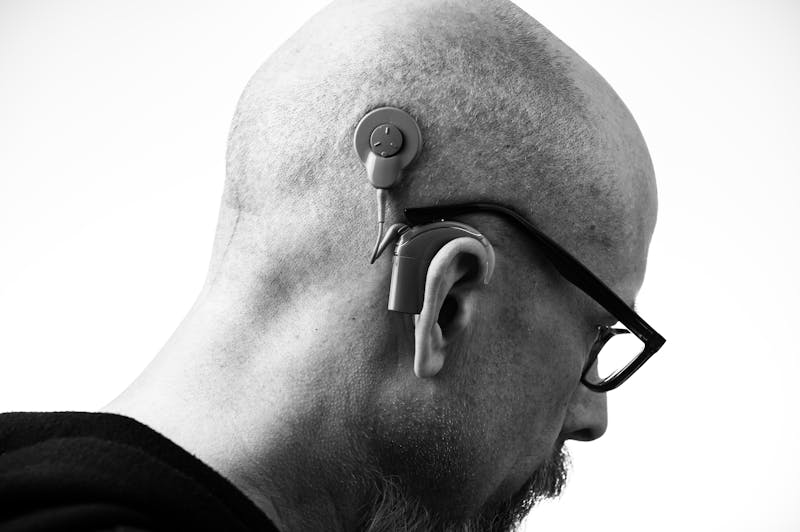
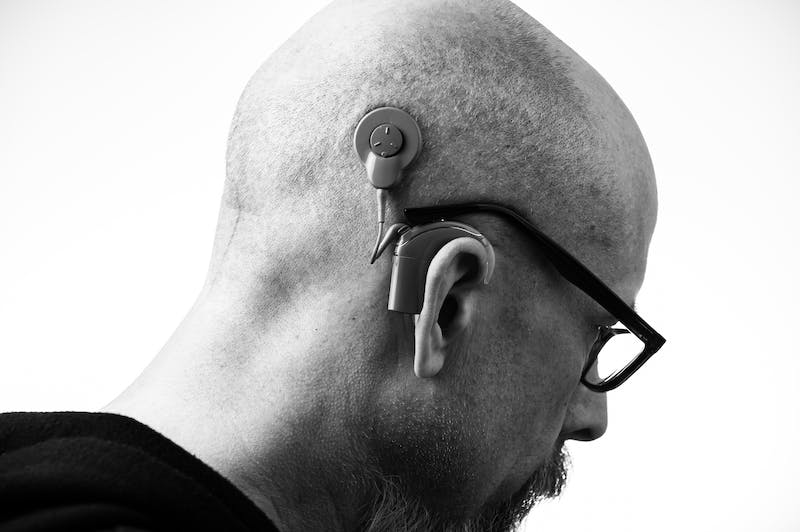
Noise-induced hearing loss is a major issue experienced by many. Data reveals that people as young as 6 to 19 years old live with some form of hearing disorder because of prolonged unhealthy exposure to loud sounds. Among adults, data indicates that 25 million people wear hearing aids because of irreversible noise-induced damage to the inner ear. However, few people take the necessary precautions to protect their hearing. Suppose you evaluate your work or everyday routines and suspect your auditory functions are impaired. In that case, you can run an online search such as ‘hearing services near me’ to find the best solutions as early as possible. A facility close to you will make checking your ear damage risks easier. 

2. Heart problems

It is quite surprising that noise pollution can harm your heart. The connection stems from the increased heart rate, breathing, and excess production of the stress hormone cortisol. These physiological changes take a toll on the cardiovascular system, and you may be dealing with associated medical problems before you know it. When the human body is exposed to long periods of noise pollution, the heart responds to external stimuli by beating faster. This response is due to the triggering of the sympathetic nervous system, which immediately sends the body into a fight or flight mode. In other words, your body interprets noise pollution as an external threat. Therefore, protecting yourself and your family from noise pollution’s dangers is best. The sooner you take action, the better it will be for your well-being. 

Read: FOUR WAYS TO SHOW YOUR HEART SOME LOVE

3. Interrupted sleep patterns 

Image Credit

Sleeping in noisy environments can be challenging for many. Naturally, the human body requires a quiet place to sleep soundly since the more sounds, the fewer the brain’s chances to quiet down. Research reveals that the more sounds you hear, the higher the chances of the inner ear sending signals to the brain for interpretation. Therefore, when you should be sleeping, your body is busily responding to needless external stimuli, resulting in fatigue, reduced cognitive function, and interrupted sleep. When this persists, it may even trigger mental health issues and increase stress levels. People react differently to persistent exposure to noise pollution, but the health implications remain the same. 

Keeping the above effects in mind will help you to be more conscious of your surroundings and take proactive steps to protect your hearing. 

​Tia and TipsfromTia.com are trying to keep you looking good and
feeling good from the inside out. If you’ve got a problem or a tip, email me! Be sure to Like and share on Facebook or Follow on Twitter, TikTok, or Instagram.


Your Best Investment for a Healthy Life: Choosing the Right Family Health Plan

Your Best Investment for a Healthy Life: Choosing the Right Family Health Plan

Undoubtedly, healthcare coverage is essential to leading a healthy life. In fact, it represents your finest investment in living a long and healthy life. Picking the ideal family health plan can sometimes take work. Given the variety of options available, it may be difficult to choose the ideal solution for you. To help you choose the best family healthcare plan, we will go over the many types of family healthcare plans in this blog post.

1) First – Health Maintenance Organizations:

Via Pexels

Health maintenance organizations (HMOs) are among the most popular options for family health plans. In addition, many HMOs insist that members select a primary care physician (PCP) who would oversee the patient’s total medical treatment and refer them to specialists as required. For the majority of important services, coverage is typically complete.

HMOs frequently have a vast network of healthcare professionals to guarantee members access to high-quality treatment. One of their main advantages is that HMOs typically offer lower premiums and out-of-pocket costs than other plans. However, out-of-network care may be subject to limitations, and some services may need PCP authorizations or referrals to be covered.

Using recognized Health Care Quality Improvement Organizations (HCQIOs), which monitor care quality by analyzing the performance and results of provider organizations, is another distinctive aspect of HMOs. Via programs like standardizing treatment protocols or applying best practices, the HCQIO also offers advice on enhancing patient safety and quality standards. This may be the suitable insurance to consider if you have questions, whether can you have spine surgery if you have osteoporosis or, for that reason, any other major surgery.

Ultimately, HMOs can offer several benefits, including affordable premiums, access to high-quality providers, cost savings through preventative services, as well as access to quality improvement programs. When selecting a family health plan, it is important for individuals to carefully consider all available options in order to make an informed decision regarding which plan best suits their needs.

Read: ESSENTIAL THINGS YOU CAN DO TO MAKE HEALTHCARE COST LESS

2) Secondly – Point Of Service Plans:

Point of Service plans (POS) are another type of family health plan that provides flexibility through the combination of an HMO and PPO. In a POS plan, members can choose to receive care from in-network providers with the same benefits as an HMO, or they can opt for out-of-network care with the same benefits as a PPO.

POS plans offer members the freedom to choose their preferred provider without restrictions, while also providing discounts on services when they visit an in-network provider. Additionally, POS plans may also offer additional benefits such as coverage for vision care, hearing aids, dental services, and more.

With a POS plan, members will typically have to pay a deductible before their insurance kicks in and copays for certain services. In some cases, POS policies also require members to obtain referrals for specialist visits in order for them to be covered. Out-of-pocket costs are typically higher than what you would encounter with HMOs but lower than those you would find with PPOs.

Overall, Point of Service plans represent a good option for families who want greater flexibility in terms of choosing their own provider while still receiving decent coverage at discounted rates when utilizing an in-network facility or physician. People should carefully weigh all the costs involved, including premiums, copays, coinsurance, and deductibles, before making their decision.

3) Thirdly – Preferred Provider Organizations:

Preferred Provider Organizations (PPOs) offer members more flexibility than an HMO or POS plan, as they don’t require members to select a primary care physician, and referrals are generally not necessary. PPOs also provide a larger network of providers than an HMO, so members have access to a wider range of healthcare specialists.

Unlike HMOs which require members to receive their care only from within the network, PPOs often allow members to receive care from out-of-network doctors and facilities while still receiving some coverage at discounted rates. Out-of-pocket expenses tend to be higher when going outside of the network but may still be less expensive than what would be charged for services without insurance.

Overall, PPOs can be a good option for families who want more freedom in terms of being able to choose their own provider and do not mind paying higher premiums in order to have access to this flexibility. They can also provide peace of mind knowing that their medical costs are generally covered no matter where they seek treatment.

4) Finally – Health Keeping:

Health keeping is another type of family health plan that focuses on preventive care and wellness. Rather than providing coverage for treatment after an illness or injury, as traditional HMOs and PPOs do, this type of plan is designed to help members stay healthy in the first place by offering routine check-ups, immunizations, screening tests, and other preventative services at low or no cost.

Read: SMART STRATEGIES FOR SAFEGUARDING YOUR HEALTH

Health-keeping plans can provide access to fitness centers, stress management classes, and more for basic primary care services. Even though these plans often have higher monthly premiums, they have the potential to save you money as many of the offered treatments are fully covered. Obtaining the best possible value and ensuring the plan covers all your required services.

It is essential to consider all factors that play into making this decision, such as premiums, deductibles, copays, and coverage options. HMOs are an excellent option if you want low monthly costs but less flexibility in terms of choosing providers; POS plans offer more freedom with provider selection while providing discounts on services when utilizing an in-network facility or physician; PPOs have even greater flexibility and allow members to receive care from out-of-network doctors and facilities at discounted rates; finally, Health Keeping plans provide access to preventive care services designed to help keep families healthy in the long run.

No matter which type of plan you choose, it is essential that you do your research and make sure it meets both your needs and budget so that you can get the most out of your investment in healthcare.

​Tia and TipsfromTia.com are trying to keep you looking good and
feeling good from the inside out. If you’ve got a problem or a tip, email me! Be sure to Like and share on Facebook or Follow on Twitter, TikTok, or Instagram.
Comprehensive Annual Health Check-Ups: Investing in Your Family’s Well-Being

Comprehensive Annual Health Check-Ups: Investing in Your Family’s Well-Being

It really is important to make long-term expenditures for the health and happiness of your family. For this reason, comprehensive annual health examinations are necessary for every member of your household. Proactive measures should be taken to maintain your health, you may also be able to identify potential illnesses early and receive prompt medical attention if you stick to regular medical check-ups. You can easily determine your level of current health and fitness, as well as any dietary and exercise requirements, by having a comprehensive physical examination. Here’s why regular annual check-ups should be part of everyone’s healthcare plan:

1. Primary Advantages of Thorough Annual Health Exams:

For both adults and kids, a thorough annual health check has a number of advantages. It guarantees that any health issues are discovered and dealt with at an early stage, enabling you to make the required lifestyle adjustments or seek medical attention before they worsen. During a physical examination, your doctor will assess your general level of health and any potential illnesses or risk factors that you may be unaware of. Thorough examinations may also include extra tests like blood work, imaging examinations, and heart rate monitoring to get a clearer image of your health.

Photo by Mikhail Nilov:

2. What to Expect During a Physical Exam: 

Your doctor may measure your temperature, monitor your heartbeat, and check your blood pressure amongst other things while performing a physical examination. In addition, your doctor might assess your body makeup and take into account any lifestyle decisions you’ve made, like smoking or abusing alcohol. If applicable, you’ll be asked to provide personal medical history information including previous illnesses, surgeries, or other medical issues that could affect the outcome of your physical exam. You also may need various tests performed such as urinalysis, X-rays, or laboratory work depending on what’s needed to make an accurate diagnosis. 

Read: AGE, BEAUTY, AND HAPPINESS: KEY ASPECTS OF HEALTH TO LOOK AFTER IN YOUR THIRTIES

3. Important Tests and Screenings for Adults: 

For adults, it’s important to get regular physical exams as well as certain tests and screenings that specifically target age-related health issues. These may include cholesterol testing, glucose level monitoring for diabetes, colon cancer screening, or exams for transmitted diseases. Additionally, you may need to receive routine vaccinations such as the flu shot and have your vision checked periodically. Women should also undergo a Pap test once every three years up until the age of 65.

4. Hearing Health Checks for Children and Teens: 

Children and teens should also have regular physical exams as well as tests for hearing health. Hearing loss can occur at any age, so it’s important to identify any issues early on. A comprehensive hearing test will include both a pure-tone audiometry exam and an acoustic reflex examination. During the pure tone exam, your child or teenager will be asked to respond to different sound frequencies to measure their ability to hear. The acoustic reflex test assesses the middle ear’s response to sound by testing how quickly it responds to loud noises.

Read: IS THERE A WAY OF CURING HEARING LOSS?

5. Maximizing Your Follow-Up Appointments: 

Every healthcare strategy should include routine checkups. To make sure you get the most out of your exam, it’s important to come prepared. Prior to your appointment, list any queries or concerns you may have so that you can discuss them with your doctor. Finally, always ask for clarification if there is something you don’t understand or need further explanation on. 

Regular check-ups play a vital role in staying healthy. They enable you to detect any potential health issues early on and make the necessary changes to maintain your wellbeing. From comprehensive physical exams for adults to hearing checks for children and teens, there are many tests and screenings that should be done regularly based on your age and individual health needs.

​Tia and TipsfromTia.com are trying to keep you looking good and
feeling good from the inside out. If you’ve got a problem or a tip, email me! Be sure to Like and share on Facebook or Follow on Twitter, TikTok, or Instagram.
Common Ailments To Watch For As You Age

Common Ailments To Watch For As You Age

As you get older you may find that you are more susceptible to many different ailments. This is simply due to the fact that your body is getting older. That means that your bones, joints, muscles, and everything in between are starting to feel their age. You can prepare yourself for any conditions that hit you by trying to be as healthy and fit as possible. This will lessen the effects you feel from certain problems. If you are not sure what you could be at risk of then take a look at the article below. 

Pexels CCO License

Visual Disturbances

One of the first things that you may notice declining as you age is your vision. This can be a shock to the system especially if you have had 20/20 vision all your life. However, it happens to the best of us and at some point, you may need to wear glasses. You will only know this for sure if you attend your opticians for regular eye checks. Once you get past a certain age it can also be common for you to struggle with glaucoma or cataracts. When you visit your optician they will take a picture of your eye and give you an update on how your eyes are looking and how healthy they are. 

Bad Quality Sleep

Another thing that people don’t really talk about is sleep quality as you get older. Unfortunately, as you age your body doesn’t seem to get the memo that it needs around six to eight hours of sleep each night. You may be getting this but if you are waking up regularly then you will be missing out on adequate sleep that you need to function. When you sleep your body is busy repairing any broken parts that have occurred a previous couple of days. If you don’t get enough sleep then your body isn’t able to do this. Which means you could be walking around in constant pain.

Bad quality sleep could also be due to an old, lumpy mattress. In an ideal world, you should change your mattress every eight to ten years so you can continue to sleep well. If you leave it too long then your mattress can cause you to toss and turn all night. So if you are regularly waking up with aches and pains then head to your local bed store. 

Colds & Flu

When you get older you might find that you are more at risk of catching every germ that goes around. This means you could have a cold or the flu whenever you come into contact with someone that has it. Not ideal, especially as your immunity isn’t the best when you are older. This was especially risky when covid-19 was doing the rounds, a lot of older people were catching it and ending up in hospital. Luckily there are jabs now for covid and flu so if you know you catch things easily then this might be something to look into. Make sure you have a good supply of cold and flu tablets as well as paracetamol and cough medicine. 

Hearing Loss

Pexels CCO License

Something else that can be a shock when it lets you down is your hearing. When you go from being able to hear everything to noises sounding like muffled speaking it can be a struggle. The good news is there is help out there when you begin to lose your hearing. You can take a trip to your local audiologist for a hearing test. They will be able to give you advice on what you can do to improve your hearing, potentially with the use of hearing aids. 

You might find that you are struggling with ear pain as well as occasional deafness. Be sure to tell your hearing specialist about all the symptoms you are experiencing. Be aware that there may be other things out there causing your pain and discomfort. For instance, you might be wondering, can allergies cause ear pain

Arthritis

When you get older you should be aware of problems such as arthritis. This is a really painful inflammation of your joints that commonly affects the wrists, fingers, knees, and ankles. It is essential you keep moving so you don’t allow your joints to stiffen up. Incorporating a gentle workout into your daily routine will really help you and your joints stay supple and pain-free. Try something like yoga or swimming, this is gentle and won’t aggravate any existing arthritis in your body. 

Cognitive Decline

There are some things that you can cope with when you age and some you can’t. You never know what you are at risk of developing and if anything runs in your family. Things like cognitive decline can run in families, so if your mother or father got dementia then you want to make sure you are keeping your brain active. Keeping your brain busy with regular puzzles will give it the workout it needs to keep fighting against cognitive decline. Something else that keeps these horrible conditions away is regular socials with friends and family. A study has found that people who regularly meet up with familiar people are less likely to develop dementia or Alzheimer’s.

Teeth Falling Out

Finally, one of the common things that you might begin to experience as you get older is your teeth becoming loose. They can only hold on for so long if you don’t look after them. When you are younger and told to brush your teeth twice a day, there is a reason for this. It is so your teeth can continue to be strong into old age. However, if you do experience issues with your teeth then make sure you sign up for a recommended dentist. They will be able to help you keep hold of your teeth for as long as possible. It may be something simple such as a filling that is needed, or you might benefit from dentures if your teeth have given up. 

Pexels CCO License

We hope that you found this article helpful and it gave you some useful tips on how you can avoid certain ailments hitting you as you get older. Remember, age is just a number and you are only as old as you feel. 

​Tia and TipsfromTia.com are trying to keep you looking good and
feeling good from the inside out. If you’ve got a problem or a tip, email me! Be sure to Like and share on Facebook or Follow on Twitter, TikTok, or Instagram.
Three Routine Changes That Will Change Your Life

Three Routine Changes That Will Change Your Life

According to a recent report from StudyFinds, “53% of Americans admit that they’re not living a ‘healthy’ lifestyleâ€, despite being aware of just how important this is.

Of course, there are many reasons why healthy living can feel unattainable. For example, you may feel as though you’re too busy to cook meals from scratch or squeeze in a workout. Alternatively, between gym memberships and organic ingredients, many people feel as though healthy living comes with too much of a price tag.

However, despite your hesitations, it’s important that you make your health a priority, especially as you get older. Turning to someone like Ashley Roberts Tampa Police Captain as an example is always a good idea. Being invested in an active life and taking good care of yourself can help you to stay healthy and live well.

Photo by LyfeFuel on Unsplash

With that in mind, here are three changes you can make to your routine that will change your life. 

Change your diet. 

One of the easiest ways in which you can begin to follow a healthier lifestyle is by revamping your diet. After all, this can help with various aspects of your health, whether you’re looking to lose weight or improve your mental health. For example, a recent study found that “an inadequate diet can lead to fatigue, impaired decision-making, and can slow down reaction time.â€

However, in order to make this a lasting change, you need to find a way to make healthy eating fun. For example, you could experiment in the kitchen by trying out dishes from different cultures and countries. Remember, healthy eating does not mean you have to limit yourself to plate after plate of salad! 

Attend regular health checkups. 

Attending regular health checkups is another great way to keep your health in check. This also means that you can address any complex issues as soon as they first appear, which will reduce their impact on your life. 

As a result, now is the perfect time to schedule in routine health appointments. For example, you should go for a hearing test at least once a year, even if you have not noticed any immediate changes to your hearing. This will help you to determine whether or not you need hearing aids or other forms of treatment. 

As there is a connection between dental and mental health, you should also visit your dentist – even if this is something you tend to avoid. Not only will this help you take care of your smile, it can also boost your confidence. 

Make sleep a priority. 

If you do not get enough sleep, you will begin to experience a phenomenon known as ‘sleep debt’, which refers to the amount of sleep you need vs. the amount of sleep you actually get. The bigger the difference between these two numbers, the more problems you are likely to encounter, especially when it comes to your overall health. For example, “sleep deficiency is linked to many chronic health problems, including heart disease, kidney disease, high blood pressure, and diabetes.†

As such, you must work on getting the quality of Sleep you deserve. One way in which you can achieve this goal is by turning your phone off around an hour before you go to bed. This will help you to decompress, and you’ll find that you fall asleep much easier as a result. 

​Tia and TipsfromTia.com are trying to keep you looking good and
feeling good from the inside out. If you’ve got a problem or a tip, email me! Be sure to Like and share on Facebook or Follow on TwitterTikTok, or Instagram.

Everyday Tips from Tia