
Home Energy Efficiency Myths

Home Energy Efficiency Myths
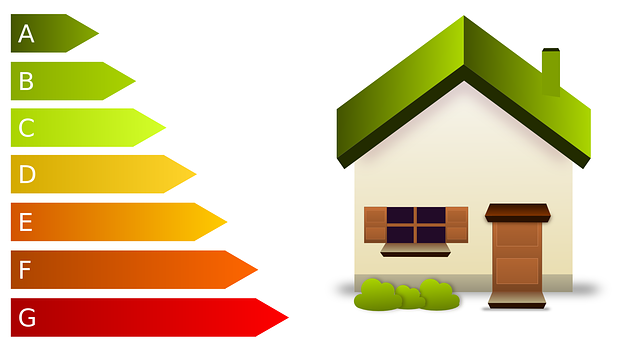
Pixabay – CC0 Licence

Over recent years, home energy efficiency has become a major talking point, with more and more people seeking tips that can help keep their bills – and their home’s impact on the environment – as low as possible. As tends to happen when a topic becomes popular, the good advice tends to be joined by a few myths that can potentially stymy people’s ability to actually improve the energy efficiency of their home as a whole. Below, we’ve outlined a few of these myths, so you know which measures aren’t worth your time – and which ones are. 

MYTH: Hand washing dishes is preferable to using a dishwasher

It’s claimed that there are two benefits to hand washing over using a dishwasher. The first is related to the energy needed to heat the water for washing; according to the myth, less hot water is needed to wash dishes by hand, and thus less energy needs to be used to heat that water. The second is in terms of the water itself, with the myth suggesting that dishwashers use more water than people generally use to hand-wash, which means dishwashers increase water waste.  Neither point, however, is accurate – dishwashers are the more efficient choice, by every metric, every time.

MYTH: Black radiators are preferable to white radiators when it comes to heating your home

If you were to leave two shirts, one black and one white, out in the sun for an hour, the black one would be much hotter to the touch than the white – so this myth does have a basis in scientific fact. However, the difference is in the type of heat; in our example, it’s thermal heat that makes the black shirt feel hotter, but radiators primarily produce convective heat – which colors do not impact. While radiators do produce some thermal heat, it’s not significant enough for you to see any real benefits from black radiators. If you paint a white radiator black than you might see tiny benefits due to the extra layer of insulation, but it’s not significant enough to be worth going out of your way for – if you like the idea of black radiators as a design feature, then go for it, but doing so won’t make an appreciable difference to your heating bills.

MYTH: It’s better to leave your home heating on all day rather than turn it off and on continually 

This myth would make sense if everyone lives in a hermetically-sealed property where it was impossible for internally-heated air to escape – but no one does live in such a property. Our homes are losing energy all the time, which means that if the heat is left on all day, then heat is being lost all day too. It is far preferable to turn your heat on and off as and when needed. 

MYTH: Use plastic wrap to cover windows and prevent heat from escaping

Around 25% of a property’s heat is lost through the windows, so this myth seems to pose a sensible solution to this problem – simply use plastic wrap to add an extra layer of insulation but without preventing natural daylight from entering the room. However, the benefits of doing this are negligible, it’s unsightly, and plastic wrap at all is less than ideal from an environmental standpoint. Realistically, modern double-glazed windows that have been properly installed and are well-maintained are always the best way to prevent heat loss via the windows in your home. 

So what does work? 

All of the myths developed for a reason: because people want to make their home more efficient and cut their energy bills, especially over the winter months. The fact that the above myths have been busted doesn’t change the fact that people still want to see the benefits of a more efficient home – so it’s worth discussing the measures that can actually make an appreciable difference in this regard. 

Most of the principles of good energy efficiency will be familiar to most; there’s simply no magic remedy that will slash bills and cut energy usage dramatically. Instead, focus on the fundamentals: 

  • Ensure that your home is adequately insulated
  • Replace old or damaged windows to help retain heat in your home
  • Keep the thermostat as low as is comfortable and safe
  • Swap your conventional light bulbs for LEDs
  • Turn the lights off when a room is not in use
  • Unplug devices rather than leaving them on standby

The above methods can really help to keep your home as energy efficient as possible, so you can set the myths aside and focus on achieving tangible results.

Tia, and TipsfromTia.com  is trying to keep you looking good and
feeling good, from the inside out. If you’ve got a problem or a tip email me! Be sure to Like and share on Facebook or Follow on Twitter or Instagram.

It’s Time To Stop Wasting Your Money

It’s Time To Stop Wasting Your Money

Image Source – CC0 License

As a general rule, people try to be pretty sensible with their money. In today’s economy, money isn’t the kind of thing that any of us can afford to throw around. Unless you’re in a very privileged position, your money is something that you’ll want to take good care of and not waste. That being said, there are always ways in which you might not be handling your money quite as well as you would like. Of course, this definitely applies to some places far more than others. With that in mind, here are some of the most common places where you might be spending more money that you want to be.

Your home

Your home is likely to be the most expensive thing that you own. Which makes it all the more important that you do your best to bring the cost of running your home down. Luckily, there are plenty of ways you can do just that. If something goes wrong with one of your appliances then contacting someone like Appliance Repair Whirlpool to get it fixed instead of replacing it is going to be a far cheaper option. Not only that but simple things like reducing your energy usage is a great way to bring your regular bills way down.

Entertainment

Most of us use many of the stellar, and fairly cheap, streaming services that are currently available like Netflix. These services are fantastic as they allow you to pick from a huge library of titles, both old and new. That makes it that much more ridiculous that so many people still pay for standard television. A lot of streaming services are available for specific TV channels to catch up on stuff you’ve missed anyway so there is no reason to bother with standard television anymore. Do you really want to shell out extra money just so you have to TV on a fixed schedule instead of whenever you want?

Transport

When trying to find the right car, it’s shocking how many people tend to ignore the mileage that they can get out of it. Of course, there are plenty of important factors when choosing a car, but you really don’t want to neglect the average miles-per-gallon. It might not seem like something especially important, but that cost will start to add up over time. If you’re not in a position to switch to a more economical car right now, consider carpooling to work. By doing that you can split transport costs down the middle, saving you a lot of money.

The reality is that spending money we don’t want is just an inevitable part of living in the modern world. The key is to make sure that you put as much effort into taking the best car possible of your finances so that you don’t wind up in trouble. Simple things like reducing your spending and giving yourself a safety net by putting money in a savings account can make a huge difference and let you get on with your life.

Tia, and TipsfromTia.com  is trying to keep you looking good and
feeling good, from the inside out. If you’ve got a problem or a tip email me! Be sure to Like and share on Facebook or Follow on Twitter or Instagram.

Top Tips For A Stress Free House Move

Top Tips For A Stress Free House Move

If you’ve ever moved house, you’ll know that while it’s exciting, it can also be incredibly stressful, especially if you’re moving with kids. With these easy tips, you can make moving a lot easier on you and the rest of the family and take out a lot of the stress. 

Image – free for commercial use

  1. Plan out some meals for the last few days before you move house. Emptying out the freezer before you move can mean you end up eating some odd combos for dinner if you don’t think ahead. To dodge eating dinner that combines oven chips and old leftovers that nobody can remember the origin of, go through the freezer and see what kind of meals you can organise to use up the last of the food without resorting to eating strange combinations. 
  2. For the first few days after the move, be prepared by stocking the fridge and freezer with some pre-prepared meals or microwave dinners that are fast to get ready. When you’ve been unpacking boxes for hours, you’ll be grateful for a quick, tasty dinner that’s a lot cheaper and healthier than ordering another takeaway.
  3. Clear out old stuff as you pack up your house. We all end up with a lot of stuff, especially with children. A declutter can be very satisfying and lets you start fresh. As you’re packing up, sell, donate or throw out the things you don’t want or need anymore, instead of just moving them to your new home. As an added advantage, you’ll have less stuff to fit into the moving van. Host a garage sale to sell some of it, and make back some of the costs of moving. 
  4. Buy a tape gun. Setting up your packing boxes and sealing them up when they’re full will be much faster and simpler if you use a tape gun, which can save you a lot of time and frustration. 
  5. Label each of your packed boxes with a note about what it’s in it and the room it should go into. This saves you answering questions from the moving company as they’ll already know where things need to go. It’ll also make unpacking easier, as you’ll find the things you need quickly.
  6. Think about what you’ll need in the first few hours at the new house. This could include things like a box cutter to get into other boxes, toilet paper, essential medication, phone chargers and some cups with tea bags or coffee so you can make a drink while you unpack. Pack these essentials into a box that you keep with you instead of putting in the moving van, so you have them ready to access.
  7. Pack another box of similar essentials for the kids, with some pre-packed snacks for hunger emergencies and a few small toys to keep them busy and out of the way during the moving. Any items they’ll find comforting, like a favourite stuffed animal, is a good way to help them stay relaxed during the upheaval. 

Plan out some meals for the last few days before you move house. Emptying out the freezer before you move can mean you end up eating some odd combos for dinner if you don’t think ahead. To dodge eating dinner that combines oven chips and old leftovers that nobody can remember the origin of, go through the freezer and see what kind of meals you can organise to use up the last of the food without resorting to eating strange combinations. 

For the first few days after the move, be prepared by stocking the fridge and freezer with some pre-prepared meals or microwave dinners that are fast to get ready. When you’ve been unpacking boxes for hours, you’ll be grateful for a quick, tasty dinner that’s a lot cheaper and healthier than ordering another takeaway.

Clear out old stuff as you pack up your house. We all end up with a lot of stuff, especially with children. A declutter can be very satisfying and lets you start fresh. As you’re packing up, sell, donate or throw out the things you don’t want or need anymore, instead of just moving them to your new home. As an added advantage, you’ll have less stuff to fit into the moving van. Host a garage sale to sell some of it, and make back some of the costs of moving. 

Buy a tape gun. Setting up your packing boxes and sealing them up when they’re full will be much faster and simpler if you use a tape gun, which can save you a lot of time and frustration. 

Label each of your packed boxes a note about what it’s in it and the room it should go into. This saves you answering questions from the moving company as they’ll already know where things need to go. It’ll also make unpacking easier, as you’ll find the things you need quickly.

Think about what you’ll need in the first few hours at the new house. This could include things like a box cutter to get into other boxes, toilet paper, essential medication, phone chargers and some cups with tea bags or coffee so you can make a drink while you unpack. Pack these essentials into a box that you keep with you instead of putting in the moving van, so you have them ready to access.

Pack another box of similar essentials for the kids, with some pre-packed snacks for hunger emergencies and a few small toys to keep them busy and out of the way during the moving. Any items they’ll find comforting, like a favourite stuffed animal, is a good way to help them stay relaxed during the upheaval. 

Plan out some meals for the last few days before you move house. Emptying out the freezer before you move can mean you end up eating some odd combos for dinner if you don’t think ahead. To dodge eating dinner that combines oven chips and old leftovers that nobody can remember the origin of, go through the freezer and see what kind of meals you can organise to use up the last of the food without resorting to eating strange combinations. 

For the first few days after the move, be prepared by stocking the fridge and freezer with some pre-prepared meals or microwave dinners that are fast to get ready. When you’ve been unpacking boxes for hours, you’ll be grateful for a quick, tasty dinner that’s a lot cheaper and healthier than ordering another takeaway.

Clear out old stuff as you pack up your house. We all end up with a lot of stuff, especially with children. A declutter can be very satisfying and lets you start fresh. As you’re packing up, sell, donate or throw out the things you don’t want or need anymore, instead of just moving them to your new home. As an added advantage, you’ll have less stuff to fit into the moving van. Host a garage sale to sell some of it, and make back some of the costs of moving. 

Buy a tape gun. Setting up your packing boxes and sealing them up when they’re full will be much faster and simpler if you use a tape gun, which can save you a lot of time and frustration. 

Label each of your packed boxes a note about what it’s in it and the room it should go into. This saves you answering questions from the moving company as they’ll already know where things need to go. It’ll also make unpacking easier, as you’ll find the things you need quickly.

Think about what you’ll need in the first few hours at the new house. This could include things like a box cutter to get into other boxes, toilet paper, essential medication, phone chargers and some cups with tea bags or coffee so you can make a drink while you unpack. Pack these essentials into a box that you keep with you instead of putting in the moving van, so you have them ready to access.

Pack another box of similar essentials for the kids, with some pre-packed snacks for hunger emergencies and a few small toys to keep them busy and out of the way during the moving. Any items they’ll find comforting, like a favourite stuffed animal, is a good way to help them stay relaxed during the upheaval. 

Tia, and TipsfromTia.com  is trying to keep you looking good and
feeling good, from the inside out. If you’ve got a problem or a tip email me! Be sure to Like and share on Facebook or Follow on Twitter or Instagram.
Carry In Convenient Style

Carry In Convenient Style

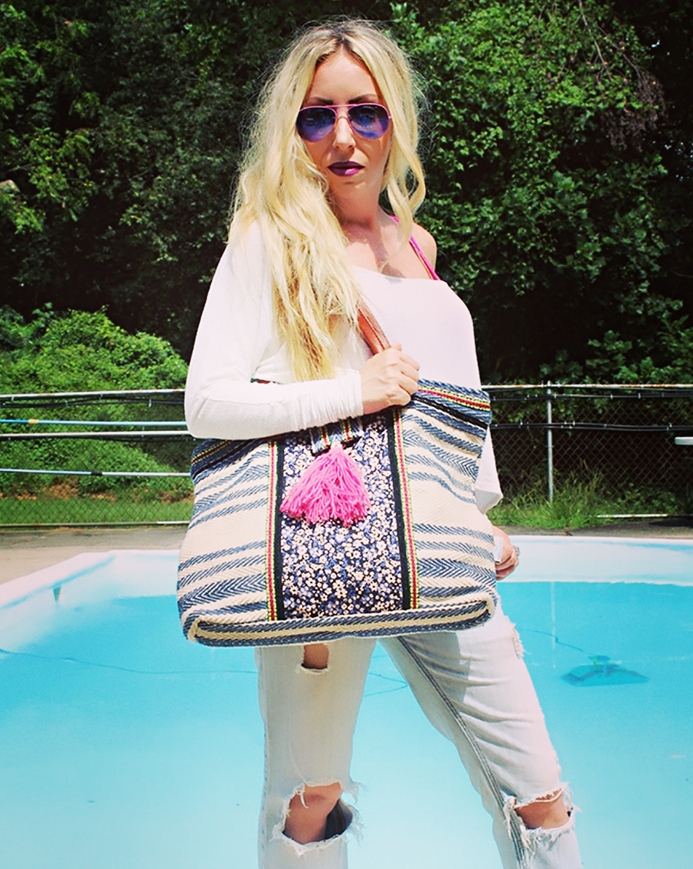
Photo by Shy Hayman

Ugh… It’s back to school already

Yep. It’s that time of year again. And it’s gonna be a great one! You’ve got the right clothes. You’ve got the right books. You might even already have the right book bag. But if I remember anything from my school days, I hated carrying my books in the bulky backpack and squeezing myself (and them) into a tiny space with an even smaller seat. My locker or car wasn’t always close to my next class, so it was impossible to switch out books after every class.

Tote up


The trick I used was keeping a tote bag in my locker. Every morning, I would unload my bulky backpack and exchange it for the tote. I’d fill up the tote with the books and supplies I needed until I could make it back to my locker. My back and classmates appreciated it. It compacted my life in a stylish tote that still fit my identity.

Photo By Shy Hayman
HELLO SUNDAY-LARGE TOTE-JACQUARD AND STRIPES


HelloSunday has totes and wallets that can fit anybody’s personality. I recently got a boho chic tote from them. It’s fun and durable with enough space for me to carry books, a laptop or my work supplies. But it’s stylish enough for me to use as an everyday bag, consolidating a work bag and pocketbook into one.

Switch up


Whether it’s school or work, we love to feel stylish. We all have our own big personality and we want to share that through what we wear. But health comes in to play even in the world of fashion. Many people end up with lifelong issues from carrying a bag that is too bulky or heavy. For example, women tend to carry the same purse on the same arm or shoulder every day. They fill up the bag with more and more, which causes more weight. Then, the body compensates for the weight by shifting, which can result in knots in the neck or lower back pain. It’s best to switch up your bags every so often, so your body doesn’t become accustomed to being off balance on an everyday. Switching bags can make you carry a lighter load or even carry your load in a different way. Plus, it allows one to have more fashionable bags. I don’t see a downside.


I switch up handbags for wristlets depending on where I’m going. And for me, the higher the heels, the smaller the bag.  It’s all about convenience.


Our bodies want us to look good, but they also want to feel good. Be kind to your body now, and you’ll reap the rewards later in life.

Tia, and TipsfromTia.com  is trying to keep you looking good and
feeling good, from the inside out. If you’ve got a problem or a tip email me! Be sure to Like and share on Facebook or Follow on Twitter or Instagram.
Understanding the Causes and Treatment of Problem Thyroid Goiters

Understanding the Causes and Treatment of Problem Thyroid Goiters

Although most thyroid goiters are harmless, often thyroid goiters can be caused by autoimmune diseases tied to hyperthyroidism or hypothyroidism. Treating the root causes can help minimize or even reverse the progression of the goiter.

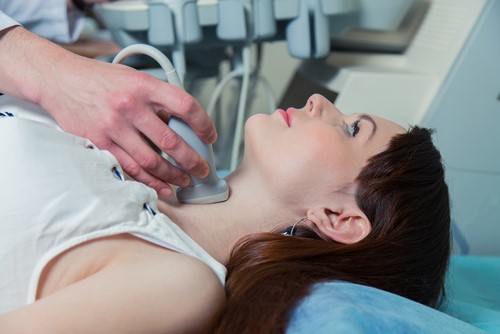
Goiter is one of the most commonly encountered types of thyroid conditions. This refers to the enlarging of the thyroid gland that has roots in a broad array of different causes, among them autoimmune diseases. Although usually seen as harmless, goiters are sometimes indicative of a more serious condition or may lead to various other symptoms, which may require interventions as determined by a physician.

Addressing extreme forms of goiter is one of many disciplines under thyroid management. Patients in Provo can rely on a trusted healthcare provider to deliver accurate diagnoses and treatment programs to manage extreme goiter and a host of other thyroid conditions.

All About Goiter

Goiters refer to a larger-than-usual thyroid gland, which has many different causes. Most instances of goiter are harmless, having no associated inflammations, and do not cause any lasting impediment to the function of the thyroid gland. Often, these so-called simple goiters do not have a clear cause and can be left alone with little to no treatment as determined by the attending physician.

Most minor goiters are merely felt rather than seen, although a sufficiently enlarged thyroid gland is typically visible when one turns around while looking in a mirror. The only real symptom experienced by most people with benign goiters is a minor difficulty in swallowing. Problem goiters, however, do exist. These often involve the abnormal swelling of the thyroid gland that is caused by a motley group of different diseases.

Worldwide, the most common cause of goiter is iodine deficiency, although this is rare in the United States and the rest of the developed world due to the abundance of iodine in the water and many types of food. The second most common cause is autoimmune diseases, Hashimoto’s thyroiditis, and Graves’ disease. Doctors usually identify problem goiters is usually done through their associated symptoms and careful testing.

Hypothyroidism vs. Hyperthyroidism

Hashimoto’s thyroiditis is an autoimmune disease where the body’s immune system attacks the cells of the thyroid glands. This causes hypothyroidism, a reduction in the thyroid gland’s ability to produce hormones, causing a shortage that can negatively affect the body’s thermoregulation and ability to consume and process energy.

Grave’s disease, meanwhile, is one of the most common causes hyperthyroidism, a condition that leads the thyroid glands to overproduce hormones, causing the body’s metabolism to speed up considerably.  Also an autoimmune condition, Grave’s disease involves the overproduction of antibodies, which spur the thyroid glands to produce more hormones in response.

Treating Problem Goiters

Problematic thyroid goiters are often managed alongside the conditions that caused them. Goiters stemming from Hashimoto’s thyroiditis, for instance, are often treated through hormone replacement therapy, which supplements the thyroid gland’s production of hormones. This helps arrest the enlargement of the goiter but cannot shrink it.  

Goiters caused by Grave’s disease, on the other hand, are treated with antithyroid medications, beta-blockers, and radioactive iodine. Radioactive iodine is one treatment that can reduce the goiter’s size.

In extreme cases, surgery may be deemed necessary. Surgery is pursued as a last resort and is often only done when the body’s production of thyroid hormones has already reached baseline levels.

Tia, and TipsfromTia.com  is trying to keep you looking good and
feeling good, from the inside out. If you’ve got a problem or a tip email me! Be sure to Like and share on Facebook or Follow on Twitter or Instagram.

Everyday Tips from Tia