Category Archives: BEAUTY

Tips, tricks, and favorite hacks for all-things beauty.

Benefits of Retinol and How to Use It in Your Routine

Benefits of Retinol and How to Use It in Your Routine

Every time you reach for an anti-aging product or an anti-acne scarring cream, you’re bound to see products containing retinoid or retinol.

If you’ve taken the best acne scar treatment before, you may also have heard your physician recommend products with retinol to further improve your skin condition. It’s not only treated as a product that evens skin tone. But it’s also helps your skin cell turnover faster. It has the ability to remove dead skin cells quicker and help healthy ones come to the skin’s surface.

What is Retinol

Retinol is a kind of retinoids, which comes from vitamin A. The role of vitamin A in the body is to support cell growth, immune function, reproduction and vision among other things. Because retinol is a “weaker” form of retinoid compared to others, it can be bought over-the-counter.

How Retinol Works

Retinol triggers the skin cells on the surface of the skin so that the turnover becomes faster. New skin cells are then generated resulting in smoother and more even skin. The healthy cell turnover helps ease cystic acne, as well as reduces breakouts by keeping pores clear of clogging.

It also helps increase the skin’s production of hyaluronic acid which helps keep the skin look plump and young-looking. Retinol also helps boost collagen production and prevents collagen breakdown. Collagen is a kind of protein that helps with skin elasticity, and it’s a substance that makes up about 35% of all the protein in the body.

The Benefits
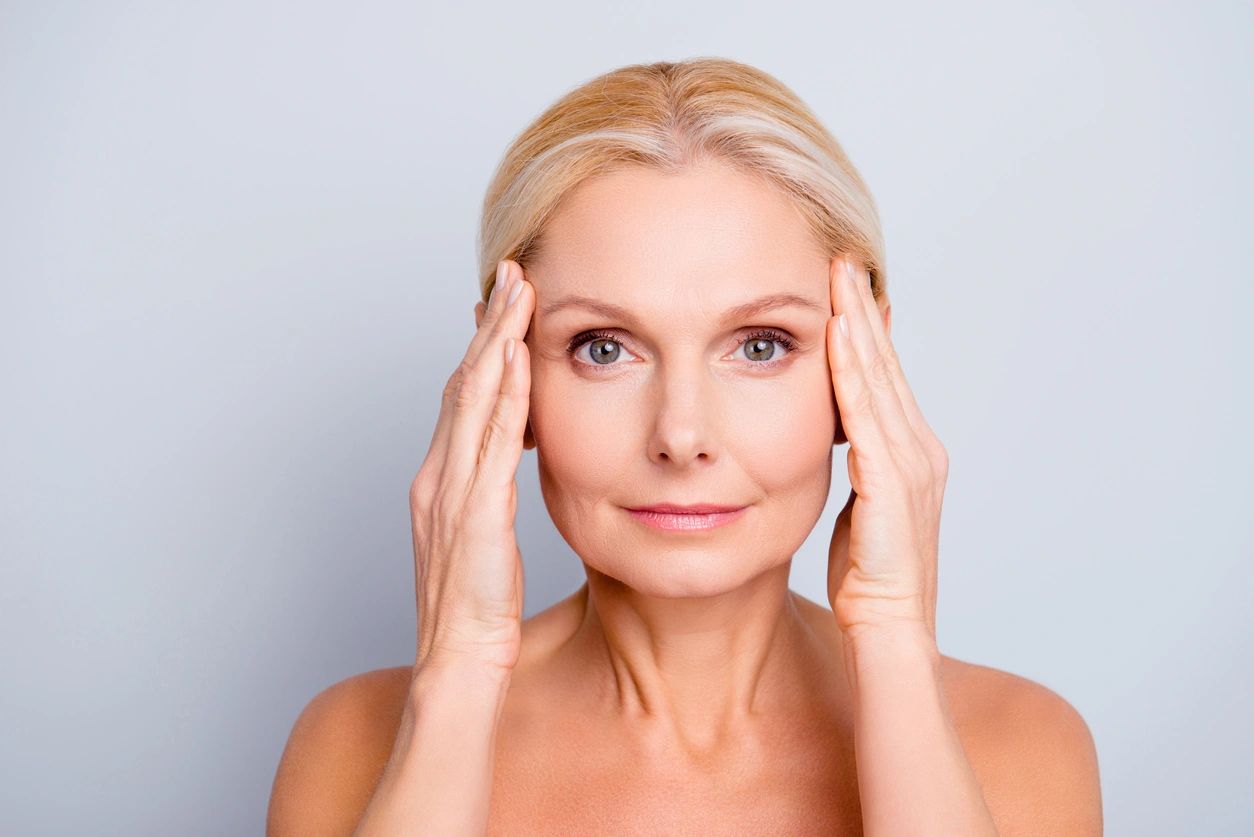
From aging to acne, retinol has become known as a go-to cure for all skin problems. Retinol was first marketed as an anti-acne and acne-clearing agent, but once physicians noted that it also helps reduce the signs of aging, they rebranded it as an anti-wrinkle product.

There’s a long list of wonderful benefits from using retinol, and below are some of them.

Anti-Aging

Retinol helps your skin look more youthful by reducing the appearance of wrinkles, restore skin that’s been damaged by the sun, and it also gets rid of uneven spots. Although wrinkles are beautiful, and physical flaws like dark spots are nothing to worry about, it’s still good to prevent skin imperfections from forming.

Retinol does these things by boosting the production of collagen. Fine lines can be caused by the decrease of collagen production and collagen breakdown, two issues that retinol helps solve.

Of course, for more effective anti-aging results, you can always undergo different types of professional treatment. Research and learn more about plastic surgery centers to find the best to suit your needs.

Helps Treat Psoriasis

Psoriasis is a skin condition or an autoimmune disease diagnosed by darker, itchy, dry and scaly skin. Retinol can be used due to its ability to increase skin cell turnover and its properties that help improve skin appearance. However, for severe conditions, one will need to apply stronger forms of retinoids. A physician’s prescription is needed in such cases.

Brightens and Evens Skin Tone

Dull, lackluster skin can be bothering as you would want your skin to look healthy. Lackluster skin can be caused by sun damage, stress, lack of sleep and poor lifestyle habits. Retinol helps by toning down the skin cells that produce the darker pigments called melanin.

Helps Treat Acne

Studies have shown that retinol is effective in treating inflammatory and non-inflammatory acne. It also has the ability to reduce pimple marks aside from its capability to stop new ones from developing.


How to Use

Before we discuss how to properly use retinol for skincare, please note that you should never wear it during day time. Only apply retinol on your skin during the night, as it makes your skin very sensitive and can increase the risk of sunburn. If you choose to wear a small amount of retinol product in the morning then remember to always put sunscreen on.

Retinol products should have the instructions at the back. For added guidance, here’s how to add retinol to your daily routine.

Use with Care

Retinol is a great addition to your skin care regimen. But you have to consult with your dermatologist first. It’s important to note that retinol will come in various strengths so better start off with something that has 0.1% retinol before progressing to 0.5%, 1%, or 2%. Always do a patch test first on the inside of your elbow or your neck to make sure that you don’t have any allergic reactions to the product. Other than those, it’s a powerful ingredient that will gain you benefits the more you use it.

Tia, and TipsfromTia.com  is trying to keep you looking good and
feeling good, from the inside out. If you’ve got a problem or a tip email me! Be sure to Like and share on Facebook or Follow on Twitter or Instagram.

New Beauty Routine: Focus On Your Health and Wellbeing

New Beauty Routine: Focus On Your Health and Wellbeing

Image source

So many of us spend a lot of time and money focusing on our appearance. We want to look well and we often look into beauty treatments, makeup, hair styling and more. But this might not necessarily be the best approach to take to beauty. Instead, if you take good care of your body and mind, your natural beauty shines through. Your body will be in good condition and this will show. So, what lifestyle changes can you take to make your new beauty routine revolve around health and wellness? Here are some suggestions to get you started.

Dental Care

Lots of us want a straight, white smile. But you don’t necessarily have to get veneers and other increasingly popular dental treatments to achieve this. Instead, taking good care of your teeth and your dental health with a good dental care routine can give you a beautiful, natural smile. Make sure to clean your teeth thoroughly, twice a day, with a good quality fluoride toothpaste. Floss and use interdental cleaners. Rinse with a quality mouthwash. On top of this, you should visit your dentist and hygienist once every six months to check in on the health of your teeth and gums.

Stay Hydrated

We all know that we should drink roughly two litres or eight glasses of water a day. This is for good reason. Our bodies are roughly 80% water and we need to keep these levels topped up. Water is required for all sorts of bodily functions, so hydration is important in its own right. But on top of this, hydration can have huge impacts on your skin. Skin that is dehydrated can begin to look flaky or dull. By drinking sufficient water, you can help flush out toxins and keep your skin glowing. You can also help this process by eating plenty of hydrating foods, such as melon, cucumber, celery, tomatoes and more.

Eat a Balanced Diet

Eating a balanced diet can provide your body with all the nutrients it needs. Not only will this help you to function well without any nutritional deficiencies, but it can also help you maintain healthy skin, bright eyes, healthy hair and nails and more. If you think you might be deficient in any particular nutrients, consult your doctor who may be able to provide you with supplements.

Reduce Heat on Your Hair

Many of us use hair styling tools that place extreme heat directly onto our hair. This could include straighteners, curling tongs and more. Where possible, avoid using these tools. They can really damage your hair, leading to breakage and general damage. If you do need to use these tools, look for a quality heat protectant spray that can minimise the damage caused. This can lead to healthier locks.

These suggestions should help you get the ball rolling on your new beauty journey. Not only will these changes help you to look better, but they can help you to feel better too. Hopefully, some of the advice will help and will improve your lifestyle in general!

Tia, and TipsfromTia.com  is trying to keep you looking good and
feeling good, from the inside out. If you’ve got a problem or a tip email me! Be sure to Like and share on Facebook or Follow on Twitter or Instagram.

Hair Loss in Pregnancy: Causes and What to Expect

Hair Loss in Pregnancy: Causes and What to Expect

https://images.pexels.com/photos/7055939/pexels-photo-7055939.jpeg?cs=srgb&dl=pexels-pavel-danilyuk-7055939.jpg&fm=jpg

Soon-to-be moms often complain about hair loss. Why does it happen? Is it normal? Can we prevent it? Can it be treated? Here, we are breaking down everything related to hair loss during pregnancy. Keep reading to learn the answers!

Are you expecting your little bundle of joy? Congratulations! It’s such a happiness to carry a baby inside your body! However, you may experience pregnancy-related issues like morning sickness, weight gain, high blood pressure, mood swings, and some changes in appearance, e.g., hair loss.

Today, we’ll talk about hair thinning and falling out during and after pregnancy. This, alas, is an unpleasant but common condition for future and new mothers. Hair loss can be caused by various reasons, e.g., stress, changing hormones, or more serious medical problems.

Here, we’ll share some insight on hair loss during pregnancy and find out whether you can prevent or treat it.

What Can Cause Hair Loss In Pregnancy?

Many expecting mothers are wondering whether hair loss is normal during pregnancy. However, there is no short answer. On the one hand, small patches of hair falling out are completely normal while pregnant. On the other hand, there can be medical problems that can cause excessive shedding. So, let’s discuss possible reasons for hair loss during pregnancy.  

Hormonal Shifts

The first trimester of pregnancy can greatly stress the body since the balance of hormones dramatically changes to help you develop your little one. It may lead to Telogen Effluvium – stress-induced hair falling out – it puts up to 30% of hair into the resting phase, that’s why you lose about 300 hairs per day instead of the normal amount – 50-100 hairs per day. However, hair thinning due to hormonal shifts doesn’t happen right away, it usually takes about 2-4 months to notice this issue.

Good news! Telogen Effluvium doesn’t result in permanent hair loss and should resolve itself within several months. The only thing you can do to support your hair during and after pregnancy is taking good care of it. It would be a good idea to use gentle sodium chloride free shampoo recommended by Evelyn Harper and take pregnancy vitamins recommended by your doctor.

Health Issues

Growing a baby may be quite a challenging task, therefore, some health problems may arise, e.g. gestational diabetes, high blood pressure, vitamin deficiencies, etc. Depending on their severity, these conditions can lead to Telogen Effluvium.

Pregnancy can also increase the risk of the following issues:

Thyroid problems – sometimes pregnancy hormone levels can shift into the danger zone due to thyroid disorders (hypothyroidism or hyperthyroidism). Excessive shedding is one of the symptoms, other symptoms can include constipation, muscle cramps, and constipation.

Iron deficiency – this condition occurs in women who are carrying multiples, experiencing morning sickness, or expecting soon after giving birth. Iron deficiency or anemia means you have a low amount of red blood cells that supply oxygen to different tissues in your body. This condition may cause hair falling out and other symptoms, e.g., fatigue, headaches, irregular heartbeat, exertional shortness of breath, etc.

If you suspect iron deficiency or thyroid issues, you should update your healthcare provider and do necessary blood tests to determine whether you need special treatment. Your hair won’t return to its normal condition unless you address these health problems.

Is There Any Treatment For Hair Loss In Pregnancy?

If your hair loss is caused by hormonal shifts, you don’t need any special treatment – your locks will bounce back over time. On the flip side, if it’s happening due to health problems, work with your healthcare provider to find the safest vitamin supplements or medications. Note that most medications are dangerous for the fetus, so don’t take anything unless your doctor gives you the go-ahead!

Anyway, you shouldn’t sit back with your arms folded! There are several well-tried home remedies that can help return your hair to normal sooner. Here they are:

â— Eat a well-balanced diet – nourishing foods and vitamins are a must for you, especially if you are experiencing hair loss during or after pregnancy! Eat more legumes, dairy products, sweet potatoes, broccoli, leafy greens, eggs, berries, meat, fish, seeds, chia, walnuts, and drink orange juice.

â— Fenugreek hair mask – it’s an amazing skin and hair booster! Soak seeds for several hours, mash them well, and apply this paste to your scalp. It’ll enhance your hair’s thickness and shine.

â— Scalp massage with warm oil – it improves circulation, therefore hair growth. Use peppermint, jojoba, almond, or olive oil for moisturizing, nourishing, and stimulating hair growth.

How To Prevent Hair Loss In Pregnancy?

<img alt=”Hair”>

It depends on what’s causing hair loss – if it’s a medical condition, you’ll be able neither prevent nor cure it without the right treatment. Anyway, the following recommendations will help to avoid more breakage and thinning:

â— Use hair loss shampoo for pregnancy, it should be DHT-blocking or mild sodium chloride-free shampoo.

â— If you take any supplements or meds, ask your healthcare provider whether they can cause excessive shedding and what you can do about it.

â— Opt for comfortable hairstyles, do not use tight braids, buns, or ponytails.

â— Comb your hair gently with a wide-toothed brush.

â— Avoid using permanent treatment, hot rollers, and curling irons.

â— If you are going to use a new solution, do a patch test to be sure you won’t develop an allergic reaction. 

Is Hair Loss After Pregnancy Normal?

Lots of women complain of hair loss within several months after birth, typically peaking around 4 months postpartum. It’s caused by the drop in estrogen, and as a result – Telogen Effluvium. Although it may be a bit intimidating to see up to 300 strands or more a day, it must resolve on its own within 6 to 12 months. 

Bottom Line

If you’re experiencing hair loss during pregnancy, don’t stress out too much unless you suspect any health issues. If so, do contact your healthcare provider to rule out possible problems. And remember, most mommies say that their hair becomes thicker and healthier by the baby’s first birthday.

Tia, and TipsfromTia.com  is trying to keep you looking good and
feeling good, from the inside out. If you’ve got a problem or a tip email me! Be sure to Like and share on Facebook or Follow on Twitter or Instagram.

Author’s Bio: Rachel Hudson is a copywriter with 7 years of experience. She’s been writing on topics related to parenthood, kids’ development, healthy lifestyles, and fitness. Rachel is a mom to 2 kids, she enjoys spending all her free time with them.

Foods to Eat and Avoid to Help Your Dental Health

Foods to Eat and Avoid to Help Your Dental Health

Dental health is essential for healthy living, strong teeth, and a beautiful smile. There are plenty of things you can do to help your dental health: brush twice daily, visit the dentist regularly, and floss. However, there are also some lifestyle changes you can make to ensure your dental health is the best it can be.

Food and drink are essential for dental health. This is because the food and drink we consume affect the bacteria levels on our teeth and their likelihood to sustain tooth decay. Therefore, by choosing the right kinds of food, we can strengthen our teeth. On the other hand, if we consume lots of harmful foods, our teeth may become weaker. Therefore, it’s key to understand which foods you should eat and avoid (or enjoy in moderation) to ensure strong and healthy teeth.

Bad Foods

Photo by congerdesign on Pixabay

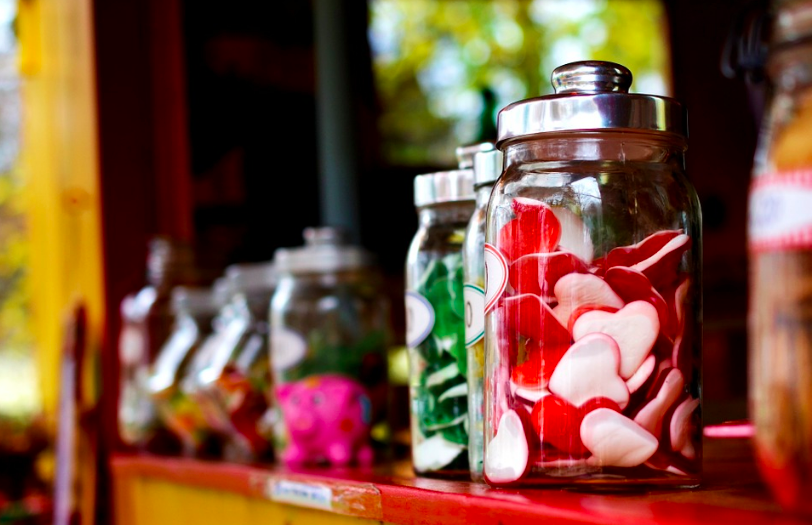
Sugary foods, especially sweets, are a problem for your teeth. The worst kind of sweets are those that stick in your mouth for a long time. Examples of these could include lollipops or caramels. Sugar is bad for your teeth as it feeds the bacteria on your teeth, causing toothache, tooth decay, and gum disease.

Food that gets trapped in your mouth, especially if it is starchy. The kind of food that gets trapped in between your teeth, such as crisps and bread, is no good for your teeth. When they get trapped, it takes longer for your saliva to flush out the bad bacteria that causes tooth problems.

Carbonated drinks are one of the worst things for your teeth. Carbonated soft drinks are often packed full of sugar and will only do bad things for your teeth. In addition, the acid in these drinks is incredibly damaging.

Good Foods

Dairy is great for teeth. This can include most dairy products, but key ones include cheese, milk, and yogurt. Dairy contains calcium, which strengthens your teeth. They can even rebuild enamel on your teeth.

Photo by silviarita on Pixabay

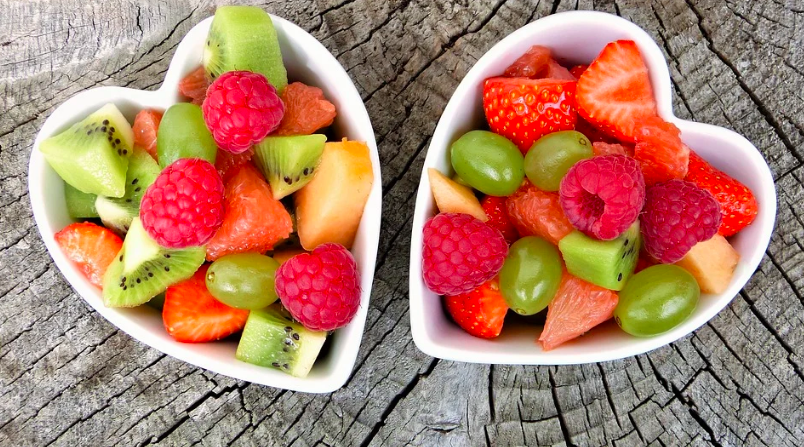
Fruits and vegetables rich in fiber are great to eat to benefit your teeth. This is because fiber-rich fruit and veg make saliva flow in your mouth. Saliva is great for tooth health, as it dulls the power of acids on your teeth, caused by sugar reacting with plaque.

Sugarless chewing gum is useful for the same reason – it gets saliva flowing in your mouth. If you have one of the worse foods for your teeth – such as a sweet – chew sugarless gum after to clean your teeth quicker. It also can remove food from your teeth.

Food should be enjoyed in moderation.

Cutting certain foods out completely is often difficult and can develop into bad eating behaviors. For this reason, said “bad†foods should be enjoyed in moderation, rather than cut out completely.

Managing your food and drink intake will help the strength and health of your teeth, but you may still run into issues with your dental health. For this reason, ensure you see a dentist as soon as you notice any problems with your teeth. Look to http://bruggemandental.com/ for a great dentist to help you with your dental hygiene.

Tia, and TipsfromTia.com  is trying to keep you looking good and
feeling good, from the inside out. If you’ve got a problem or a tip email me! Be sure to Like and share on Facebook or Follow on Twitter or Instagram.

Tips For Perfect Dental Health

Tips For Perfect Dental Health

A toothache. Bleeding gums. Cavities. Fillings. Dental aches can be quite painful, and the treatment can be long and expensive. Which is why the adage ‘Prevention is better than cure’ holds true when it comes to looking after your dental health. 

A good, regular dental health routine along with regular visits to the dentist can help you keep your teeth and gums healthy and pain-free and avoid long-term problems. Not to mention having sparkling teeth and that dazzling smile!

This post shares useful tips for a simple – yet effective – dental health routine. 

Image Credit: Pixabay

1. Brush Your Teeth Twice A Day… Everyday

This is the most basic rule of good dental hygiene, yet so many people don’t follow this golden rule. One cannot stress enough the importance of brushing your teeth every morning and every night. 

When and how you brush is also important. Brush the first thing in the morning (even before your first cup of tea or coffee) in order to remove the bad bacteria and bad breath that has accumulated through the night. Also, don’t go to sleep without brushing at night – this is very important as it helps remove any food stuck on or in between your teeth which could build up as plaque; it also helps protect your teeth from sugar-related damage. If you’ve consumed a sweet drink or too many sugary or sticky foods during the day, brush in between meals as well. 

Flossing every night before bed is also a great practice to include in your nightly brushing routine as is using a mouthwash after brushing (not instead of brushing!). Yes, flossing helps to get those pesky hard-to-reach food bits that get stuck in between your teeth out, but more importantly, it also helps to stimulate and reduce inflammation of the gums and helps in preventing the build-up of plaque. 

Mouthwash helps to clean and protect your teeth and gums further, reducing the acid and sugar build-up on your teeth. 

2. Don’t Miss Your Regular Dentist Appointments 

Most of us only think of visiting our dentist when we have a toothache or sore gums or some other dental problem. However, if we stay up-to-date with our dental appointments, we could possibly avoid these emergency dental appointments and have great, problem-free teeth and gums. 

If you haven’t already registered with a dentist, do that. http://www.prestoncommonsdentalcare.com/ is a good dental care practice to register with if you’re in Dallas, Texas. 

3. Don’t Eat Too Many Sweet Foods 

Sugary foods can cause a number of health issues and can be disastrous for your teeth as well, leading to cavities, tooth decay, accumulation of plaque and loss of enamel which then causes further teeth problems and gum diseases. 

If you do consume sweet foods often, then remember to brush your teeth afterwards or at least gargle with a mouthwash that specialises in sugar-acid protection. 

4. Drinking More Water Helps!

You probably know the benefits of drinking more water and how it’s great for good health, but it is also great for good dental care. Drinking water after every meal helps wash out some of the negative effects of acidic or sweet foods and drinks in between brushes. 

Tia, and TipsfromTia.com  is trying to keep you looking good and
feeling good, from the inside out. If you’ve got a problem or a tip email me! Be sure to Like and share on Facebook or Follow on Twitter or Instagram.