
All posts by TipsfromTia

Prevention, Tips and Remedy is what you find when you read Tips from Tia. Tia is Radio personality, with tons of answers and tips on Organic Beauty, Health, Life, Home and Sex. TipsfromTia.com; a place where you can trust the tip you're given, and not rely on a dozen different answers. Some Tips are decades old, and all I can say is it may be your grandmother's tip,but with more appeal! Tipsfromtia.com a source you can trust. Remember, looking good; feeling good.

How to Organize Your Kitchen

By Guest Blogger, Diana S.

How to Organize Your Kitchen
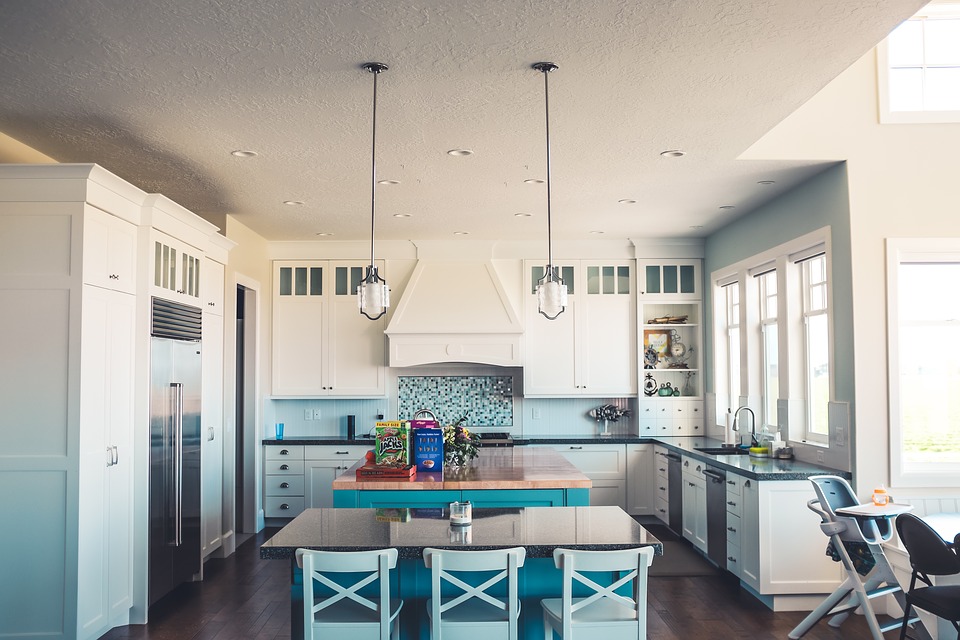
You will not find a household area that is as prone to clutter buildup as a kitchen. Utensils, plates, cups and other kitchenware usually end up in the sink as you rush to tackle your daily obligations. Your thinking in these situations usually goes somewhere along the lines of “I have bigger fish to fry.†This, as we all know, results in a serious problem even before the weekend comes around, especially if you live with a big family. We all want to organize the kitchen in a way that makes cleaning it up a breeze. Though you will never escape some effort when it comes to cleaning, here are some helpful tips on how to organize your kitchen.

Throw out what you don’t use

We have all been there – drawers filled with items and utensils you will never use. Break out of your hoarding habit and shake off what’s unnecessary. Empty your cupboards and drawers and whip out a few cardboard boxes for the stuff you didn’t use since you moved into the household. Put all the essentials back by grouping and stacking them up – kind of like a game of Tetris. You will end up with some coveted extra space you can use in the future. As far as useless utensils go, you can get rid of them in a yard sale or ask your neighbors if they can find anything useful.

Be consistent

Mislabeled and mismatched containers for spices and other foods is one of the leading causes of kitchen-chaos. Constantly looking for the ingredients you need is also a big time-waster. In order to avoid this issue, you can purchase containers of the same type – and possibly transparent ones, so you can always see their contents. It is best to opt for rectangular containers for best space management. If you stick to such elements consistently, you are bound to manage your well-organized kitchen with ease.

Always purchase new appliances

Malfunctioning appliances add to kitchen chaos. Surprisingly, we tend to enter into a sort of ritualistic behavior when it comes to managing smaller malfunctions and most people tend to stop noticing them. These malfunctions can range from a leaking dish-washer to ovens that take forever to warm up and fridges that are impossible to predict.

At the same time, you are losing precious time in the kitchen and you have to break the cycle. Appliance technology is developing fast, and you can purchase appliances such as top-of-the-line Maytag freezers that come with features which are downright helpful when it comes to organizing time and space in your kitchen – from reversible doors to adjustable shelves and automatic defrost.

Concentrate on your pantry

Pantry areas are usually the crux of kitchen chaos. If a bulk of trash is out of sight, it does not mean it is not there, and we all tend to shove whatever‘s in our way into the pantry without a second thought. This is a killer habit that can turn your pantry into an unhygienic, chaotic mess.

Purchase the same type of storage containers you’ve used to organize your cupboards (remember – consistency) and clear out all the shelves. Pour whatever you plan on using into the containers and start stacking. You can also use the back of your pantry door to hang some utensils or dishware. In fact – you can use the cupboard doors the same way.

Work triangle
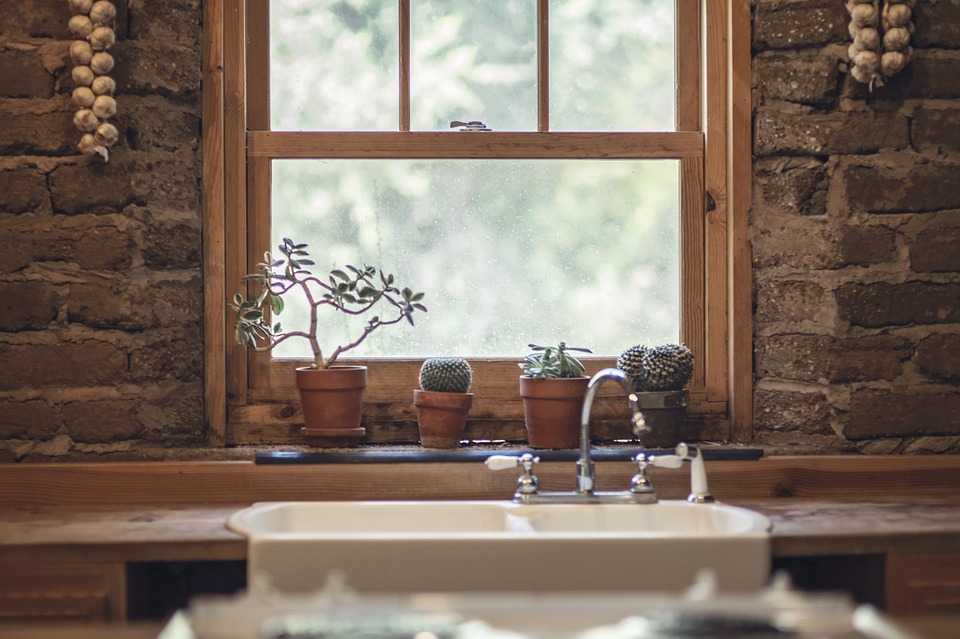
In the case you have not heard of this, each kitchen basically has a triangular layout as far as humans are concerned – the points of this triangle are the sink, oven and fridge, respectively. Re-arrange your items and store them in a way that is logical when it comes to these three points – everything you might need in a particular zone should be within hand’s reach. This is also known as “achieving kitchen Zenâ€.

The old saying goes – “a place for everything and everything in its place†and you can bet your bottom dollar that a person who came up with these words of wisdom spent most of their time in the kitchen. Stay consistent when it comes to organization and clear your mind before the re-arrangement so you can be free to store your items in a way that comes naturally.


Tia, and TipsfromTia.com  is trying to keep you looking good and
feeling good, from the inside out. If you’ve got a problem or a tip email me! Be sure to Like and share on Facebook or Follow on Twitter or Instagram.

Augmented Reality’s Impact On Home Design

Augmented Reality’s Impact On Home Design

Augmented reality has had a pretty interesting journey into mainstream culture over the past 18 months. Consider, for instance, that in the summer of 2016 you probably didn’t even quite know what it was!

Now, if you pay close attention to tech circles, you may have learned how to distinguish it. Basically, you can sum it up like this: virtual reality transports you completely into an animated environment, whereas augmented reality makes it appear as if animations exist in your actual environment. Oddly, I find “Wizard’s Chess†from Harry Potter to be a good way to think about it. VR Wizard’s Chess would mean entering a live game board like the characters did in the first film – walking on a chess board, taking part in the game, with pieces and players all around you. AR Wizard’s Chess would simply mean pointing your device at a table such that, looking through it, you would see a chessboard with live, animated figures.

That’s a distinction many of us didn’t quite have straight as VR was emerging in 2015 and 2016. Then everything changed just about overnight, with the release of Pokémon GO. It was the first widely released, mainstream augmented reality game that used nothing more than a phone to work, and it suddenly challenged us to wonder about how this tech could differ from VR. In the immediate aftermath of the game’s release publications as big as The Guardian asked, where does augmented reality go next?

As it turns out, the answer was: all over the place! It took some time, but a little more than a year after Pokémon GO came out, Apple and Google unveiled programs that made it easier for developers to make AR games. That led to puzzles, cartoonish shooting games, board and strategy games, and more on augmented reality. There are likely more of these games on the way, as well as games in other genres. Slots, for instance, are a category to watch; casinos have made 3D games that are in essence the same as video slots but with 3D elements practically built for AR. We should also keep an eye on successful VR titles that could be adapted for mobile devices the same way popular console games are, fitted for AR rather than VR. The possibilities are endless.

As stated though, the journey for AR has been interesting, and one of the most unexpected things about it has been how quickly it branched out beyond gaming. It may always be the games that generate the headlines and draw the most attention to this tech phenomenon. But there are plenty of experiences already available through AR that have little or nothing to do with entertainment. Interestingly enough, many of them instead deal with home design.

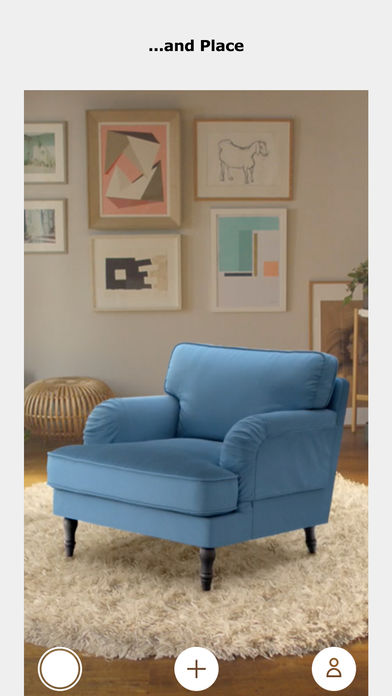
IKEA led the way in an increasingly deep connection between AR and home design, with the basic idea being that you can simulate your furniture and interior design through apps. Through the IKEA app and several others, you can use a phone or tablet to do everything from measuring space to visualizing a piece of furniture or a decoration in space. You simply hold up your device, look through it, and see that new couch in the corner, or a new lighting fixture on the ceiling, etc.

This may sound like a gimmick, but think about the convenience it affords you in designing your home or redecorating a room. Theoretically, there’s no more need for a tape measure, or for shuffling old furniture around to gain perspective on your dimensions. There’s no more need to bring furniture home and put it in place just to see if it works. AR can do all of this for you, such that when you’re ready to make a purchase or change up the room’s organization, you’re confident in your choice.

It’s been an unexpected result of a journey that started mostly with innovations in gaming. But AR is now an invaluable tool for home design and organization.

Tia, and TipsfromTia.com  is trying to keep you looking good and
feeling good, from the inside out. If you’ve got a problem or a tip email me! Be sure to Like and share on Facebook or Follow on Twitter or Instagram.

Ugly Outer: Your Home From The Outside In

Ugly Outer: Your Home From The Outside In

(Image Source)


First impressions count when it comes to anything which people can see. When someone encounters you home for the first time, their mind will be taken over with thoughts about the way it looks and feels. Of course, this makes sense, but it can also be a big shame. Most people work much harder on their internal presentation than the outside appearance of their place. But, with people seeing it first, it makes sense for the outside of your home to be just as beautiful as within. So, to help you out, this post will be exploring some of the key areas which can make a home look bad.


  • Windows: When windows are dirty, they will start to lose the shine they once had, becoming murky and foggy. From the outside, this can look very bad, as your home will be obviously dirty. Professional window cleaning services are nice and cheap, making this easy to do to your home. Along with this, you could also add some window cleaning to your normal chores.


  • Walls: Along with the windows on your home, the walls can also have a big impact on the way the place feels. Companies like Calres Painting are professional stucco contractors, making them perfect when you’re looking to paint the outside of your home. Unlike windows, walls can’t always be cleaned, and will need to have some more extreme treatment to keep them looking good.


  • Mess: With kids in the house, it can be almost impossible to control mess and keep the place running smoothly. Of course, though, having mess outside the house will make it look a lot worse than having it inside. The front garden should be kept completely clear of items when they are not in use. As a big part of this, having some outdoor storage will help you to keep everything from getting ruined by the weather.


  • Plants: Once you have the place under control, you can start to think about adding some life to it. Plants are the very best way to do this, and you will probably have some places ready for them, making it easy to get started. Like most design, though, making your front yard look nice will be hard, and you might need some help.


  • Landscaping: The help you get with your plants doesn’t have to end with them, though. Along with this, a professional landscaper will be able to form a work of art from your space. Using a mixture of plants, stone, and other natural materials, these creatives can do a lot more than people expect. Of course, though, you’ll need to read some reviews before you get started, as people will be able to do this to different skill levels.


Hopefully, this post will inspire you to start working harder on the time you put into the outside of your home. With an area which people see so often, it makes sense to make it look good. Of course, though, you can’t forget the inside while you’re doing this, either.

Tia, and TipsfromTia.com  is trying to keep you looking good and
feeling good, from the inside out. If you’ve got a problem or a tip email me! Be sure to Like and share on Facebook or Follow on Twitter or Instagram.
 

Tips for Choosing the Right Wine for Your Meal

By Guest Blogger, Marie N.

Tips for Choosing the Right Wine for Your Meal


It appears to be an innocuous task – just go out and find the bottle of wine you can drink during or after the meal. However, as we all know, there is more than meets the eye with the wine-selection conundrum. It is not just a matter of red or white. Type of grape, level of quality in the region, tinctures, the method and seasoning all play a crucial part in determining a specific texture or taste. If these factors make your head spin, here are some basic tips for choosing the right wine for your meal.

Read the label

Most people already have a favorite label, but they usually cannot remember why they have chosen it. Sometimes, this preference is a matter of superficial appearance – the label simply looks interesting. The next time you browse the wine-section, turn the bottle around and read the label tentatively, do not merely skip through it. The descriptions on the back often point to the specific flavor texture of the wine, which can help you make the right decision. You should just know that labels which contain expressions like “table wine†and “blend†have far more inferior tastes which are unbalanced and bland – as they use grapes that come from a variety of areas.


Be mindful of adjectives

If you dislike sweet wines, you should know that “fruitiness†is not a factor. Some types of Riesling and port wines can be more syrupy, with a distinct sweetness. This does not mean they are “fruit forwardâ€. In fact, some fruity wines that contain tropical fruit tinctures and honeysuckle can be surprisingly crisp once you taste them. “Rich†and “dense†wines are served best with heavier, meat inflected meals and goulashes. “Balanced†and “crisp†wines are good for light meals rich in vegetables and leaner meats.


Red or white? Depends on the occasion

Supple red wines are always a good choice – they are rich in resveratrol, the wine’s top health-promoting antioxidant. Since red wines are fermented with the grape skin that contains this antioxidant, there is no other type of wine that is richer in resveratrol. On the other hand, high-quality white wine is the best friend of those who want to keep lean – it tends to be lower in both alcohol and calories while still retaining the health quality.


Rosé if you are unsure

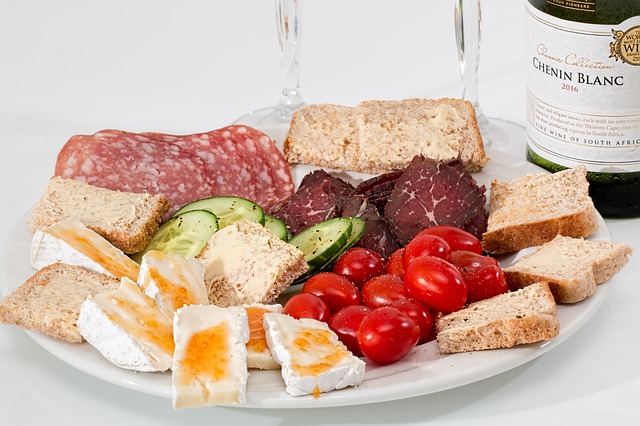
If you are having one of those days when you are absolutely not making your best decisions, or if you don’t know what sort of wine will go best with the new meal you are trying, rosé is the way to go. Dry and crisp wine of a light-pink texture is the versatile little palate cleanser that can go well with any meal, but especially light nibbles and cheese plates. Additionally, if you are in an especially festive mood, you can purchase a bottle of sparkling rosé to match the occasion.


Opt for lower alcohol percentage

The alcohol percentage in your wine bottle of choice correlates directly with the sugar quantity in the said bottle. This is due to the fact that alcohol comes from the sugar contained within the grapes. If you have a lower tolerance for sugar, this means you should go with wines that contain less alcohol, and you are definitely better for it – you can have more glasses without the fear of getting sloppy. Most wines have between 9% and 16% alcohol, so you can work your way within those parameters.


Choose sustainably farmed wines

If you read a label that says the bottle contains “sustainably farmed wineâ€, this means it was made without using pesticides and chemicals that are detrimental to your health. If any such wine is within the acceptable price range for you, always opt for this one since it is made from certified organic grapes and it doesn’t contain added sulfites.

Before you choose the perfect wine, you have to take the pricing into account. Study the general price tags of a variety of wines in your local store or area to always know the ballpark of the money you will have to give up when you venture out to purchase the bottle(s). Just remember one important thing – a fancy looking bottle and a steep price tag do not necessarily mean it’s a wine of top-notch quality.

Tia, and TipsfromTia.com  is trying to keep you looking good and
feeling good, from the inside out. If you’ve got a problem or a tip email me! Be sure to Like and share on Facebook or Follow on Twitter or Instagram.

Unexpected Dangers Of Jobs In The Arts

Unexpected Dangers Of Jobs In The Arts

Image


A job in the arts seems glamourous and full of high energy people – which it can be – but these jobs can also come with hidden dangers of injury that most don’t think about, even the artists themselves. Whether it’s writing, drawing, acting or singing, art is a beautiful and creative medium, that not many can do well, and do well enough to turn into a living. But all of these professions come with long hours of hard work, often hunched over a desk, eyes straining at night, and even breaking bones in the pursuit of art. And, as most artists work on a freelance basis, it’s quite probable that the injuries that they conceive could put a pause, if not a stop, to their careers, and to their cash flow.


Writers


The main injuries that can affect writers are due to the long hours bent over a desk, staring at a screen and at the printed text for hours on end. Most writers throughout their careers develop severe back pain, sometimes leading to sciatica, which is a horrendously painful and debilitating condition that affects the spin. Carpal tunnel is another severe injury that happens to writers due to the position and hours spent typing at a desk. Unfortunately, these issues can cause lasting damage, however, it can be prevented by using a chair with proper support, sitting at a desk where the arms would be parallel and level and the lighting in the room to be adequate enough that the eyes aren’t straining.


Artist


Artists suffer much the same as writers, with long hours hunched over drawings, and wrists angled and clenched around pencils. Artists who stand will have it easier on their backs, but not on their arms and wrists. Depending on whether the person uses a backlight while drawing, a screen to edit, or studio lights, eyes might strain too.


Musician


The main injury that a musician can suffer is damage to their ears. It doesn’t sound like much, but damage to the walls, nerves or drum of the ear can cause hearing loss and even deafness. Hearing protection is definitely needed while rehearsing a performing, from amateur to professional. Standing by speakers day in and day out can cause irreparable damage.


Actor


Some might say that actors have the worst end of the deal – and they’re probably right. Many actors put their bodies through hell for various roles. Look at when Matthew McConaughey lost three stone for Dallas Buyers Club, just to put it all back on again for Gold. This extreme altering of the body, multiple times in a short span, can cause a lot of permanent damage, not just physically, but mentally too. The mental injuries actors have to sustain also stretches into the type of scenes they have to play. Many actors suffer severe injuries while performing their own stunts, or merely by accident when on set – look at Leonardo DiCaprio in Django when he cut open his hand on a smashed glass and kept on acting – and still didn’t get an Oscar for that!

Tia, and TipsfromTia.com  is trying to keep you looking good and
feeling good, from the inside out. If you’ve got a problem or a tip email me! Be sure to Like and share on Facebook or Follow on Twitter or Instagram.